
    |
| LANGUAGE SELECT |
 |
Main Menu |
|
 |
|
 |
|
 |
|
 |
|
 |
|
 |
|
 |
|
 |
|
 |
|
 |
|
 |
|
Quick Links |
|
 |
|
 |
|
 |
|
 |
|
 |
|
 |
|
 |
|
 |
|
 |
|
Seasons |
|
 |
|
 |
|
 |
|
 |
|
Supporters |
|
 |
|
 |
|
 |
|
Asahikawa San Roku Festival |
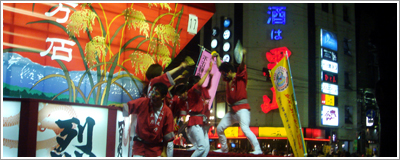 |
August is the hottest time of year in Asahikawa. It's also the time during which the summer festivals throughout Hokkaido are in full swing. The largest night-life district in the North Hokkaido area, Asahikawa's Sanroku district, hosts its summer festival, the Sanroku Matsuri in the last week of July or the first week of August annually. During the Sanroku Matsuri, the main streets of the city centre (3 jyo 5 chome to 6 chome and 2jyo to 4jyo 5/6 chome ) are closed to traffic, allowing food and drink tents to dominate the scenery. The food and beverage tents are managed by Sanroku-area restaurants and bars and offer a diverse line-up of quality festival food and drink. Yakitori and grilled seafood are in abundant supply, as is the festival drink of choice - ice cold beer. The festival is loud, colourful, and crowded, and never fails to disappoint. Parades, dance competitions and live music acts get underway from mid afternoon and carry on into the night |
旭川の夏 Summer in Asahikawa 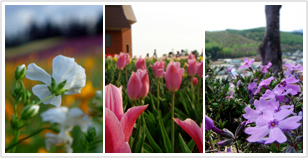 Summer is definitely festival season in Asahikawa with each week offering either a festival, fireworks, outdoor dining, dancing, or all of the above rolled into one. It is a great time of year to be in the city as beer gardens come alive in the street offering good food, music, and plenty of beer. In between beer garden sessions visitors have an abundance of sightseeing and activity options. Tokiwa park in the city is great for a walk in the morning or evening or for reading a book in the sun during the day, and is a short walk from most all of the city hotels. Kaguraoka park is a little further away but certainly worth it. Its size offers a long and relaxing walk and features Kamikawa Shrine where people can rest, pray, or pick up souvenirs. At the base of the park and adjacent to the river is a nice BBQ. area. The surrounding areas like Biei, Furano, Sounkyo and Tomamu are easily accessible from Asahikawa and offer fantastic activities such as rafting, canoeing, canyoning, hot air ballooning and a host of other attractions. Hiking is popular around Asahikawa during summer and trails on mountains such as Asahidake and Kurodake are a delight for hikers and photographers. Just bring plenty of energy with you and you are sure to have an enjoyable experience. |
FEATURED HOTEL |
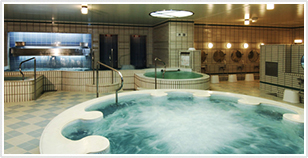 Loisir Hotel Asahikawa The Loisir Hotel is one of the finest hotels in Asahikawa. Experience comfort, great dining and exceptional service at an affordable price. Situated close to the city centre and nightlife district, the Loisir deserves to be regarded as the best choice for tourists to Asahikawa.  Read MoreCheck Price & Availability Read MoreCheck Price & Availability |
SIGHTSEEING |
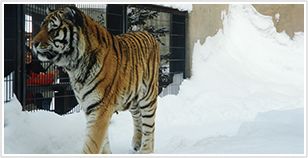 Asahiyama Zoo Asahikawa's Asahiyama Zoo has become the city's most popular tourist attraction in recent years, replacing Asahikawa ramen (hot noodle soup) for that particular title. With a ridiculously low entrance fee, modern and innovative enclosure design, and commitment to improvement for both animals and visitors, it's really a great day or night out. Asahiyama zoo is open for both the summer and winter seasons with only a short period of down time for the summer to winter season transition. Asahiyama Zoo   |
DRIVING & CAR RENTAL |
 Asahikawa Car Rental & Driving Hokkaido Find all the information you need for a safe and comfortable driving holiday in Hokkaido. Everything from information about International Drivers' Licenses, road signs and regulations, English navigation systems, emergency information, maps and more. You can also use our car rental search and reservation tool to help you save time and money and to settle on the perfect vehicle for your needs. As with all travel related matters, doing some basic research is the key, and this page is the best place to start if your looking to drive in Hokkaido this year. More Information |
FEATURED RESTAURANT |
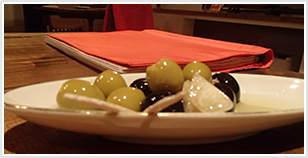 Casa El Nino [Authentic Spanish Restaurant] For a truly authentic Spanish experience, look no further than Casa El Nino. Whether you're interested in ambience, food quality, variety, comfort, or value for money, you'll have no problem finding plenty to love about this restaurant. The food is simply outstanding. The traditionally cured Spanish meats, tapas, paella (the squid-ink paella is AMAZING!), soups, and seafood are all exquisite and need to be tried. The menu is very broad, giving you multiple choices of meat, chicken, seafood, or salad dishes, while at the same time giving diners a chance to sample something perhaps less familiar. More Information
|
FEATURED HOTEL |
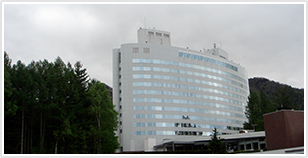 New Furano Prince Hotel The New Furano Prince Hotel offers unsurpassed convenience for both winter and summer visitors to Furano. It's proximity to the Furano Ski Area, a host of spectacular dining options, and sensational hot- spring facilities all conspire to make the New Furano Prince Hotel the number one choice for Furano accommodation. Check Rates, availability, and special offers |
FEATURED RESTAURANT |
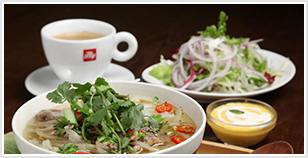 Nuts Cafe - Oriental [Contemporary Asian Restaurant] Nuts Cafe combines the many flavors common in South-East-Asian cuisine and presents a supremely diverse menu that is as kind to the taste buds as it is to the eyes. The comprehensive menu allows for plenty of choice. Meat and seafood are well represented as are salads and vegetarian dishes, all delivered with the distinctive Nuts Cafe colour and style. Whether its a quiet table for two or a larger family table, patrons can expect good value and comfort at Nuts Cafe Oriental. More Information |
SIGHTSEEING |
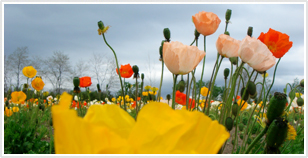 Tomita Lavender Farm 富田ファーム As far as day trip ideas from Asahikawa go, Tomita Farm is a great choice. A 10ha lavender paradise, Tomita Farm provides ample opportunity for relaxed walks surrounded by a seemingly endless patchwork of color. More Information |
FEATURED BAR |
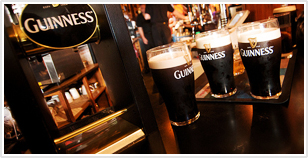 The Den International Bar The Den International Bar should definitely be the first choice for international visitors looking to sit back in comfort and reminisce about their day's activities over a few drinks. With a solid food line- up and great foreign beer selection, the Den is a great place to simply pull-up a stool, have a beer, watch some sport, and compare notes with fellow travelers about ski conditions and sightseeing locations. If you're here for more than just a few days, The Den is a must! More Information |
SIGHTSEEING |
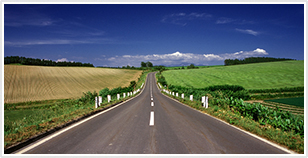 Biei Town - 美瑛町 Biei is like a page from a picture book, capturing spreading rolling hills and an almost complete panoramic view of the Taisetsu mountain range. You can enjoy Biei throughout the year, with the snow-capped tips of the Taisetsuzan contrasting the bare soil in spring, beautiful flowers and blue sky in the summer, autumn leaves and bright yellow rape blossoms in fall, and pure white powder snow in winter. More Information |
FEATURED RESTAURANT |
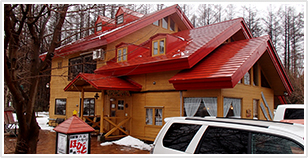 Hobbito [Biei Restaurants] Put this restaurant on your list whether you're visiting Asahikawa, Biei, or Furano. Hobbito provides smallgoods in the classic European tradition. Their sausages, cured hams, and pastes are simply outstanding, but diners will also find joy in the curry, salads, and smoked rainbow trout. The dining space is quite small, so you may be required to wait a short while to be seated, but the service is efficient and staff are very friendly, and you can always admire the scenery outside while you wait. Sensational ! More Information |
FEATURED RESTAURANT |
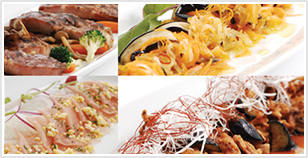 Lilas Restaurant at the Loisir Hotel Lilas combines the comfort of a spacious modern layout, convenience of a city location and excellence in the preparation of local produce to give customers a thoroughly satisfying dining experience. Not really what you would expect from either a hotel or buffet restaurant, but then, exceeding expectations tends to be the norm at the Loisir. Lilas carefully combines Asian and Western influences using local seasonal produce where possible, presenting stunningly original dishes that beg to be tasted at least once. More Information
|
FEATURED RESTAURANT |
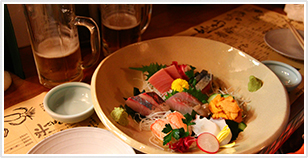 Rishiri [Japanese Izakaya] Nuts Cafe combines the many flavors common in South-East-Asian cuisine and presents a supremely diverse menu that is as kind to the taste buds as it is to the eyes. The comprehensive menu allows for plenty of choice. Meat and seafood are well represented as are salads and vegetarian dishes, all delivered with the distinctive Nuts Cafe colour and style. Whether its a quiet table for two or a larger family table, patrons can expect good value and comfort at Nuts Cafe Oriental. More Information |