
    |
| LANGUAGE SELECT |
 |
Main Menu |
|
 |
|
 |
|
 |
|
 |
|
 |
|
 |
|
 |
|
 |
|
 |
|
 |
|
Quick Links
|
|
 |
|
 |
|
 |
|
 |
|
 |
|
 |
|
 |
|
 |
|
 |
|
Seasons |
|
 |
|
 |
|
 |
|
 |
|
Supporters |
|
 |
|
 |
|
 |
|
旭川の春 We Recommend |
||||
 |
 |
 |
||
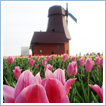
| 湧別町 Yubetsu |
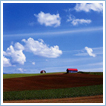
美瑛町 Biei |
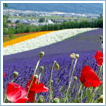
富田ファーム Tomita Farm |
||
 |
 |
 |
||
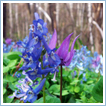
| 男山自然公園 Otokoyama Park |
滝上町 Takinoue |
東川町 Higashikawa |
||
 Flower Park Tour Information Flower Park Tour Information |
||||
Spring events and festivals 旭川と日帰りできる街のイベント |
||
 |
||
| 4月 | APRIL | |
| SEASON | EVENT | LOCATION |
| until 4/7 | Winter Zoo | Asahikawa |
| End of April to Start of May | Otokoyama Nature Park Festival | Asahikawa |
| 5月 | MAY | |
| 5/1-5 | Onneyu Onsen Azalea Festival | Onneyu |
| 5/5 | Kids Park Festival | Sunagawa |
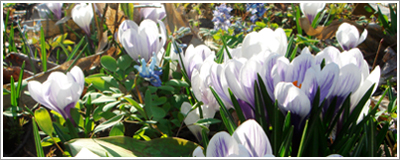
| 5/1 to June | Kamiyubetsu Tulip Fair | Yubetsu |
| 5/1 to June | Takinoue Pinkmoss Festival | Takinoue |
| Beginning of May | Asahiyama Park Cherry Blossom | Asahikawa |
| Shizunai Cherry Blossom Festival | Shin Hidaka | |
| Higashikawa Town Drive | Higashikawa | |
| 5/15 | Green and Flower Festival | Sunagawa |
| Mid May | Genki Forest Festival | Ashibetsu |
| The Great Wall Festival | Shimokawa | |
| End of May | Spring Festival | Higashikawa |
| Dandelion Festival | Mukawa | |
| Azalea and Asparagus Festival | Mukawa | |
| Lily of the Valley Festival | Biratori | |
| Canola Blossom Festival | Takikawa | |
| Strawberry Picking Season | Pippu | |
| Shrimp Festival | Mashike | |
| 6月 | JUNE | |
| 6/5 | Hokkaido Musical Parade | Asahikawa |
| 6/5,6 | Beef Festival | Shiraoi |
| until 6/6 | Tulip Festival | Yubetsu |
| until 6/7 | Pinkmoss Festival | Takinoue |
| 6/9-13 | Yosakoi Festival |
Sapporo |
| 6/13 | Healthy Marathon | Biei |
| 6/19,20 | Asahidake Open | Higashikawa |
| 6/20 | Tokachidake Open | Biei |
| 6/26,27 | Street Festival | Asahikawa |
| 6/26,27 | Oumu Festival | Oumu |
| Flower Festival | Higashikagura | |
SIGHTSEEING |
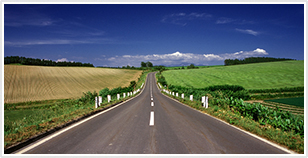 Biei Town - 美瑛町 Biei is like a page from a picture book, capturing spreading rolling hills and an almost complete panoramic view of the Taisetsu mountain range. You can enjoy Biei throughout the year, with the snow-capped tips of the Taisetsuzan contrasting the bare soil in spring, beautiful flowers and blue sky in the summer, autumn leaves and bright yellow rape blossoms in fall, and pure white powder snow in winter. More Information |
|
旭川の春 Spring in Asahikawa 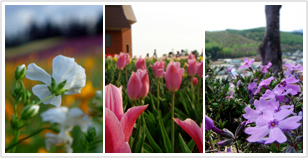 At the conclusion of the long cold winter, the colour slowly returns to Asahikawa. Japan’s all time favorite, Sakura (cherry blossom) starts to bloom around Golden Week (Japan’s holiday week starting from the end of April to the beginning of May.) Tulips, azaleas, and many other flowers start to bloom and the trees start to display pale green leaves which darken during subsequent months. The mountains start to lose their snow-tops making them accessible to climbers and hikers, while the snow melt provides ideal conditions for river adventures.
|
|
 |
|
春のおいしいもの
Spring Delicacies 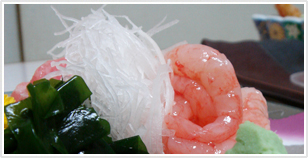 |
|
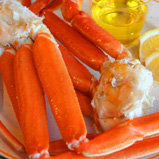 |
ズワイガニ Snow crab (zuwai-gani) |
Hokkaido is famous for various types crab. Snow crab is one of the best. |
|
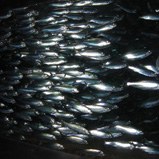 |
にしん Pacific Herring (Nishin) |
Grilled, marinated in Nuka (rice bran,) or Kazunoko (fish egg), there are many ways to enjoy one of Hokkaido’s favorite fish. |
|
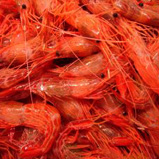 |
あまえび Alaskan Pink shrimp (Amaebi) |
The difference in the quality of shrimp comes simply down to freshness. Catch the shrimp season in Hokkaido during spring and you'll know what we're talking about. |
|
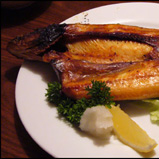 |
ホッケ Okhotsk Atka Mackerel (Hokke) |
Hokke is a fish native to the seas around Hokkaido. You can try it all year round, but spring is usually best. |
|
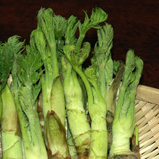 |
たらの芽 Japanese Angelica-tree shoot (Tarano-me) |
Tarano-me is the one of the very first mountain vegetables able to be picked after winter. The all-natural, local tarano-me is best enjoyed tempura style. |
|
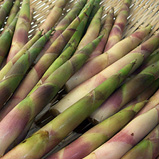 |
姫たけ Bush bamboo shoot (sasatake, himetake) |
Hokkaido does not have the same bamboo that can be found in other parts of Japan, but small sized (about a meter or two) bamboo is just as good or better for eating. Hokkaido bamboo shoots are generally less bitter and thus easier to eat for the uninitiated. |
|

Find us on Facebook
